
Your Houston roof, through every storm.
Between relentless sun, summer heat, and a storm season that brings hail and hurricane-force wind, a Houston roof lives a hard life. Knowing how it ages, what to do after a storm, and how Texas insurance really works will save you thousands.
Your roof is the single most weather-exposed part of your home, and in Houston that’s saying something. It bakes under intense sun, expands and contracts through brutal heat, and takes direct hits from hail and hurricane-season wind. Most homeowners ignore it until there’s a leak — but a little awareness here protects a very expensive system and, just as importantly, helps you handle the insurance side without leaving money on the table.
What’s on most Houston roofs
The large majority of Houston homes wear asphalt shingles — usually architectural (dimensional) shingles, sometimes older 3-tab. They’re affordable and they perform, but our climate is hard on them. Expect roughly 15–30 years of life (3-tab toward 15–20, architectural 20–30), with our sun and storms pushing most roofs toward the shorter end. Tile and metal roofs last longer and shrug off heat better, but cost more up front. Whatever you have, its published lifespan is a best case, not a promise.
Storms, hail, and your insurance
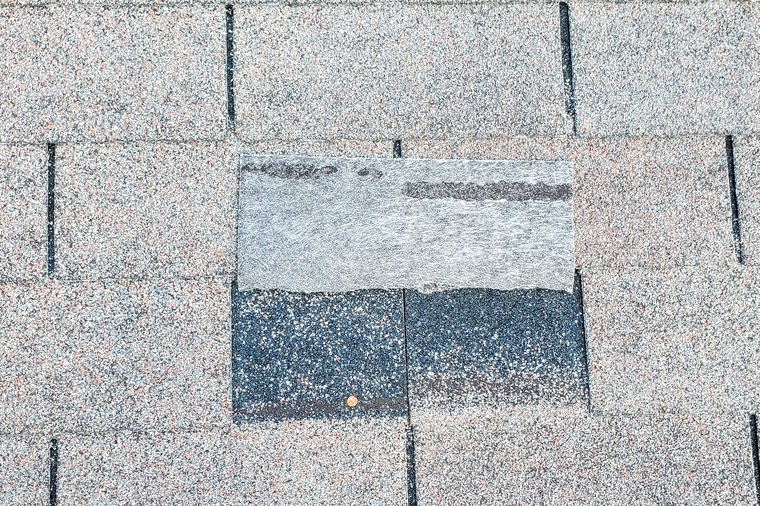
This is where Houston roofs cost — or save — real money. A few things to understand before a storm, not after:
- You likely have a separate wind/hail deductible. Many Texas policies carry one — commonly around 2% of the home’s insured value — so on a $300,000 home that’s roughly $6,000 out of pocket before coverage applies. Know your number now.
- Document before you fix. After a storm, photograph damage with dates, then get a reputable roofer’s assessment. Compare the repair estimate to your deductible before deciding whether a claim makes sense.
- Know ACV vs. replacement cost. An “actual cash value” policy pays the depreciated value of an aging roof; “replacement cost” pays to replace it. It’s worth knowing which you carry — it changes the math a lot on an older roof.
- Be wary of storm-chaser contractors. After big events, out-of-town crews flood the area. Use established local roofers with references.
Roof costs are also part of why Houston home insurance runs high — worth understanding alongside this.
Class 4 shingles: the upgrade worth knowing
If you’re replacing a roof here, ask about Class 4 impact-resistant shingles. They’re built to withstand hail far better than standard shingles, and — the part most people don’t know — most Texas insurers give a premium discount, commonly 20–35% on dwelling coverage, for having them. The discount isn’t automatic: you submit the product’s UL 2218 certification (and often the Texas Department of Insurance impact-resistant roofing form) to your insurer, then confirm the credit shows up on your policy. They cost a bit more than standard architectural shingles, but in a hail-prone market many owners come out ahead over the life of the roof.
When to take a closer look

Get eyes on the roof — yours from the ground with binoculars, or a pro’s up close — if you notice any of these:
- Shingle granules collecting in gutters or downspouts (the roof is shedding its protective surface).
- Curling, cracked, lifted, or missing shingles, especially after wind.
- Dark patches, sagging, or any interior ceiling stains.
- Daylight or moisture in the attic, or a roof simply past its expected age.
Whether you repair or replace comes down to three things: the roof’s age, how widespread the damage is, and what your insurance will cover. A 7-year-old roof with a wind-torn section gets repaired; a 22-year-old roof failing in multiple spots is a replacement conversation.
Keep it healthy between storms
- Clean the gutters so water drains and doesn’t back up under the shingles.
- Trim overhanging branches that scrape shingles and drop debris (and become projectiles in a storm).
- Check attic ventilation — poor ventilation cooks shingles from below and shortens roof life, a real factor in our heat.
- Look after every major storm — catching a small breach early prevents the expensive interior damage that follows a leak.
The roof is one line in the bigger seasonal picture — the rest is in the Houston home maintenance checklist.
Buying or selling here?
Worried about the roof on a home you’re buying — or selling?
Roof age and condition are some of the biggest negotiation points in a Houston transaction. I help buyers know what they’re taking on and sellers decide whether to repair, replace, or credit. Straight answers, no pressure:
Frequently asked questions
How long does a roof last in Houston?
An asphalt-shingle roof lasts about 15–30 years (3-tab 15–20, architectural 20–30), but our sun, heat, and storms push most toward the shorter end — and one bad hail or windstorm can end it early at any age. Inspect after major storms.
Does a Class 4 impact-resistant roof lower my insurance in Texas?
Usually yes — most Texas insurers discount the dwelling portion of your premium (commonly 20–35%) for a Class 4 roof. It’s not automatic; submit the UL 2218 certification and often the TDI impact-resistant roofing form, then confirm the credit on your policy.
Should I file an insurance claim for roof storm damage?
Compare the damage to your deductible first — Texas policies often carry a separate wind/hail deductible around 2% of insured value. Document with photos and dates, get a reputable roofer’s assessment, and file promptly for major damage; for minor damage under the deductible, a claim may not be worth it.
Homeowner · Greater Houston
Roof a question mark on a home you’re buying or selling?
Roof age and storm history move deals here. I help buyers understand what they’re taking on and sellers play it right. Happy to give you a straight read — no pressure.